

Our Approach for Adults with Acquired Brain Injury, Mental Health, Co-Morbidities and Complex Needs.
Structured. Consistent. Built around the person. At High View Care Services, our approach to care is not an add-on to what we do. It is the reason we exist.

OUR APPROACH TO CARE
What is our approach to care?
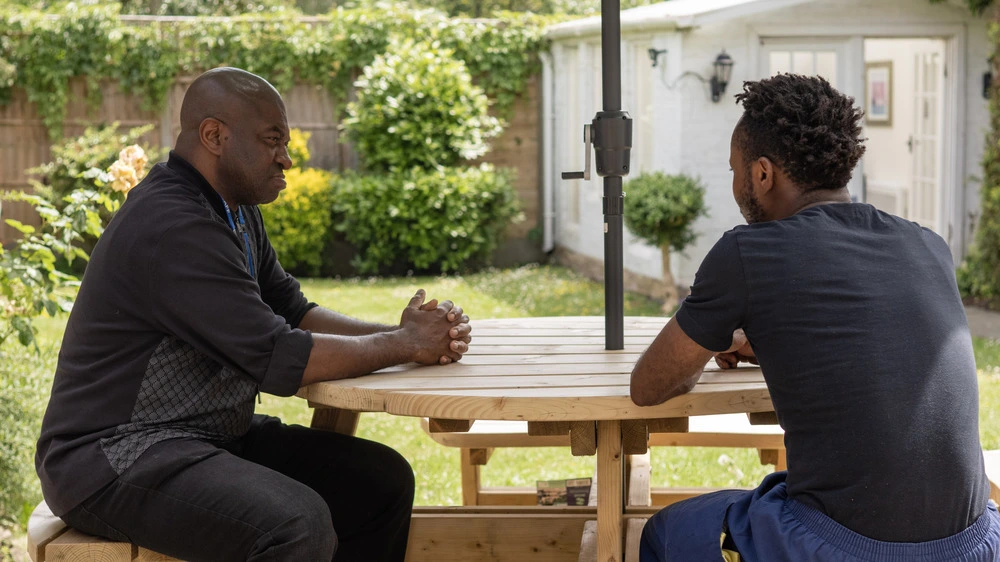
At High View Care Services, we take a biopsychosocial approach to neurorehabilitation. What that means in plain terms is this: we recognise that acquired brain injury rarely arrives on its own. It frequently comes alongside mental health conditions, emotional difficulties, substance misuse histories or complex social circumstances. A single strand of therapy is rarely enough.
What makes a genuine difference is a comprehensive, coordinated response, delivered consistently, 24 hours a day, by a team that all works from the same plan.
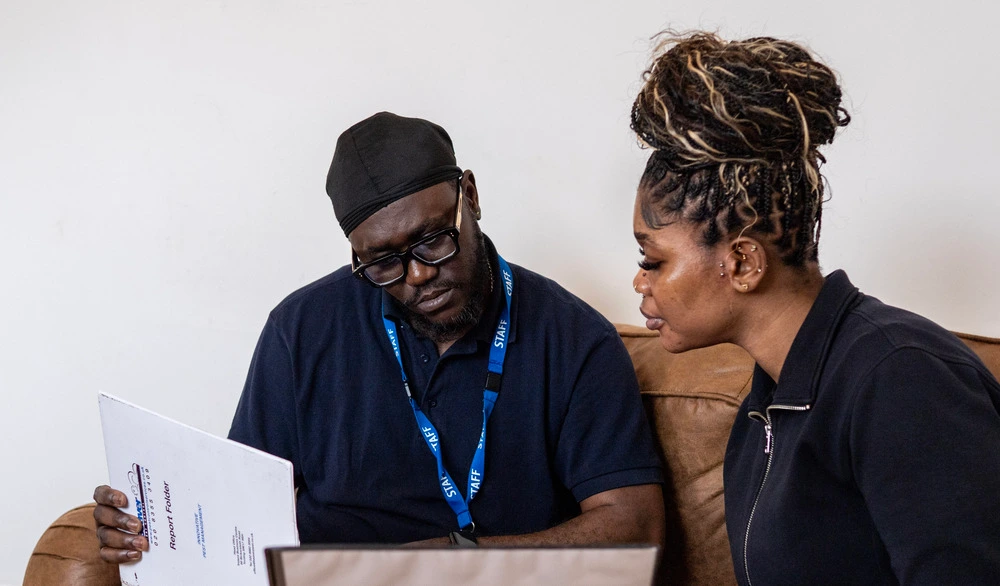
Our Transdisciplinary Team (TDT) brings together Clinical Psychologists, Neuropsychologists, Occupational Therapists, Physiotherapists, Social Workers and specialist Neuro Rehabilitation Coaches. Every client follows either our Rehabilitation Pathway or our Wellbeing Pathway. Each pathway is built around clear, measurable goals, regular reviews and honest, ongoing communication with the people who matter most to them.
The Transdisciplinary team design the care plans for a seamless application drawing on a biopsychosocial model. The day rehabilitation support finishes work between five and nine o'clock, whilst the night Rehabilitation Assistant continues with the same plan through to the morning.
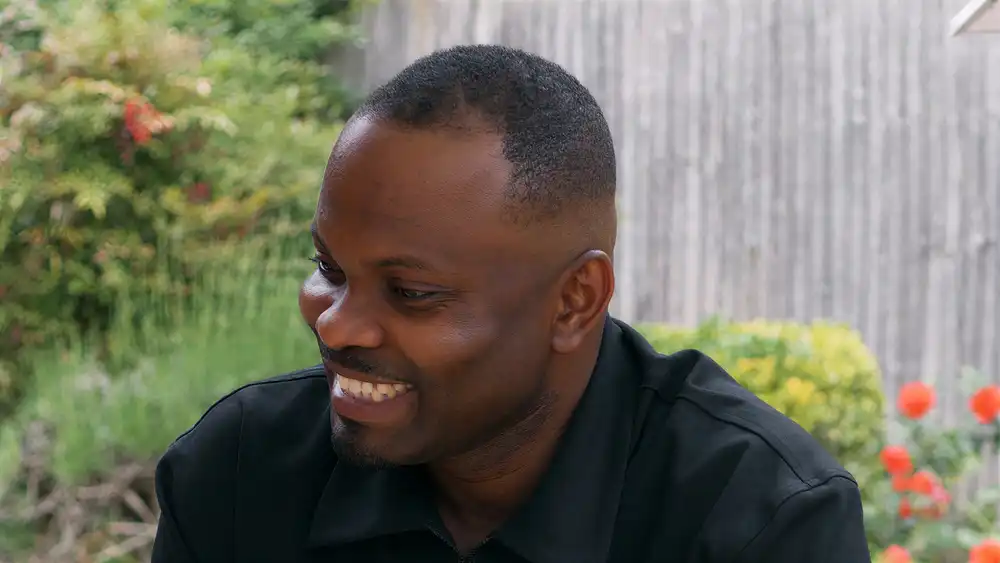

80+
Specialist staff members
OUR APPROACH TO CARE
Who do we support?
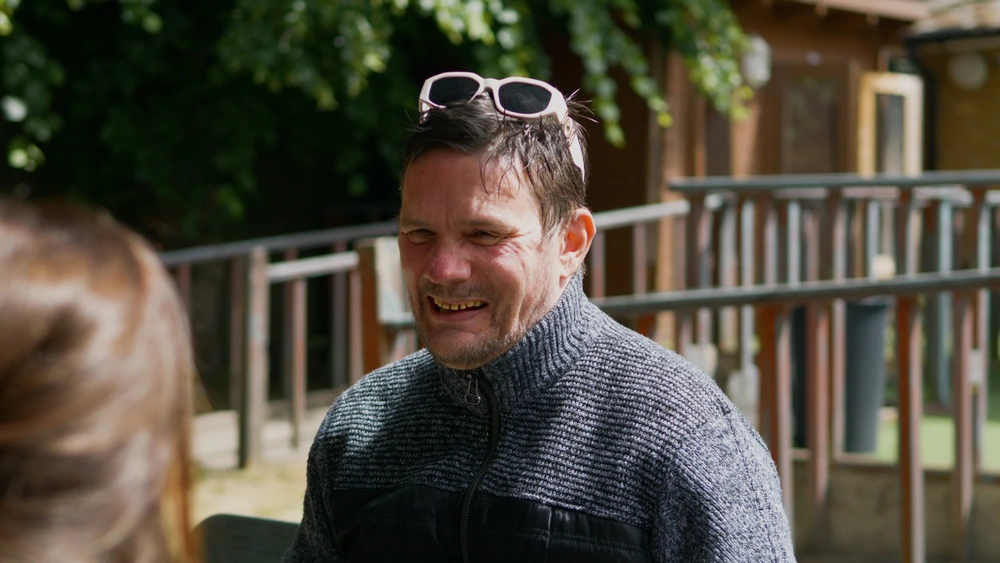
The people who come to High View Care Services have often not made progress in other settings. That is not a reflection of the person. It is a reflection of the fact that standard rehabilitation environments are simply not built for the level of complexity our clients present.
We support adults with Acquired Brain Injury, Mental Health, Co-Morbidities and Complex Needs. Our specialist environments are tailored to each person, providing the right support for their rehabilitation or wellbeing pathway, within our dedicates units and Outreach service. Guided by unconditional positive regard, we recognise every individual’s potential, regardless of their history or previous placements.
Or traumatic brain injury, hypoxic brain injury, stroke and a range of neurological conditions. Many of the people we support have one or more co-occurring conditions, which may include mental health diagnoses, personality disorders, substance misuse past or present furthermore, cognitive difficulties affecting memory, attention, concentration and executive function. We approach these complexities with professional curiosity, structured care, and not with avoidance or alarm.
We work from the principle of unconditional positive regard: a genuine belief in the potential of every person we support, regardless of their history.
OUR HOMES
Find the right home for your loved one.
Our four specialist homes across South East London offer structured, therapeutic environments for adults with acquired brain injury, mental health, comorbidities and complex needs. Each one is calm, purposeful and focused on real progress and stability.


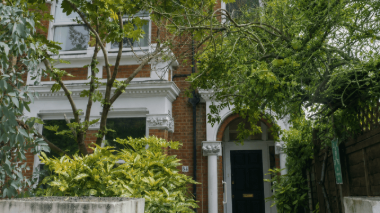
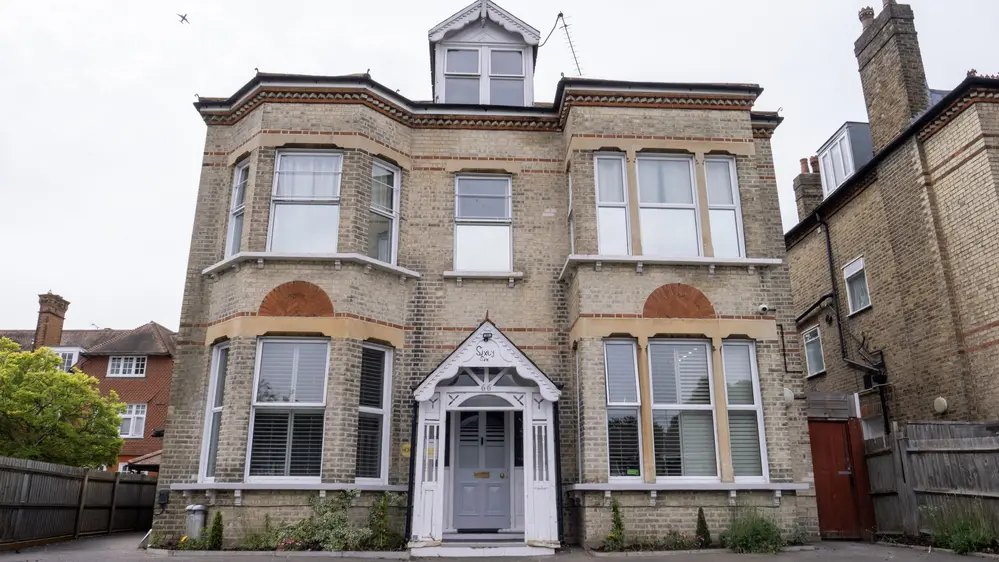
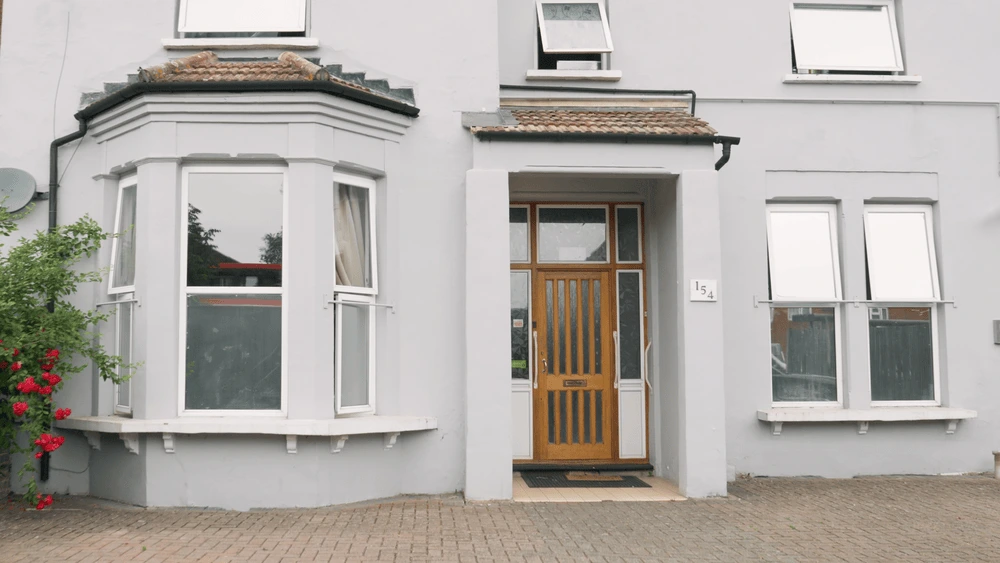
HIGH VIEW CARE SERVICES
One plan, one team
The consistency of our model is not incidental. It is the clinical foundation that everything else is built on.
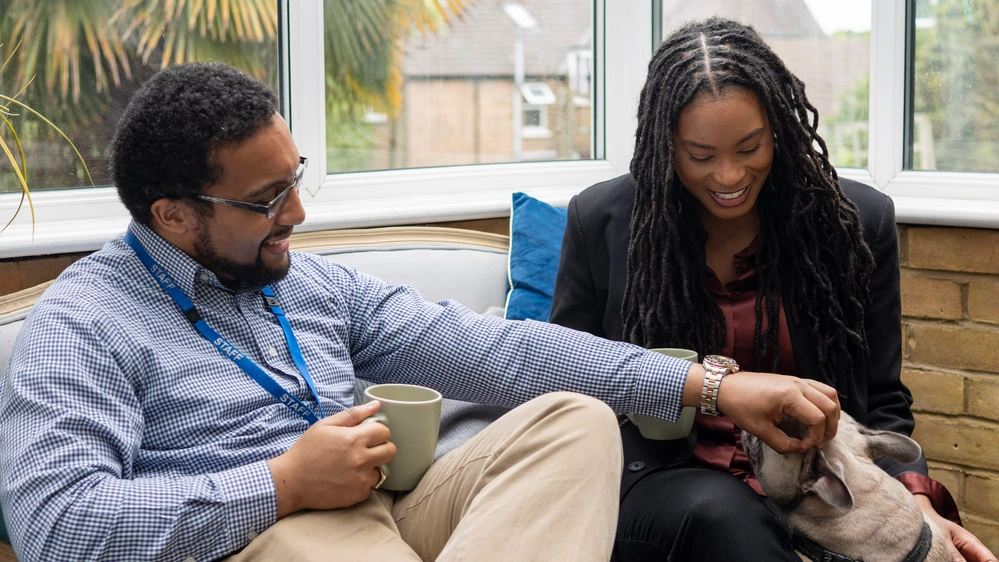
Our clients often struggle with learning new information, managing emotion and maintaining routine. The reliability of a single, shared, continuously reviewed support plan, implemented by every person on the team including the person, is what enables real progress to happen. We call this our one plan, one team approach.
Every client's plan is drawn during the pre-admission assessment, in consultation with the client, their family and any relevant professionals involved in their care.
Families and referrers are kept genuinely informed throughout the process. Not with vague reassurance but, specific, honest information about what is happening, what the plan is and what comes next. Clear communication throughout is not a courtesy at High View. It is part of the support.

4
CQC-regulated specialist homes

TESTIMONIALS
What people say about us...
The important questions
How does the referral process work?

From there, within five working days we produce a letter of outcome inclusive of weekly fee. Upon the agreement of a placement with High View a placement proposal will be provided presenting the client's strengths, needs, goals, and recommended support.
How do you involve families and professionals during a placement?
The Transdisciplinary Team (TDT) reviews each client's progress fortnightly, with formal progress reviews at regular intervals. Families receive specific, honest updates about what is happening, what the plan is and what comes next. We believe successful outcomes are built on strong partnerships, which is why we encourage family involvement and maintain open, collaborative communication throughout the support process.
How is progress measured and reviewed?
Goals and progress are reviewed fortnightly by the Transdisciplinary Team, formal reviews are undertaken at three-month intervals for clients on the Rehabilitation Pathway and six-monthly for those on the Wellbeing Pathway. And quarterly progress reports are shared with clients and relevant professionals and family members involved in their support.
What does positive risk management mean in practice?
Our team has the clinical expertise, structure and experience to support individuals through evidence-based positive risk management. We do not impose unnecessary restrictions. Instead, we carefully balance safety with opportunity, creating the conditions for people to build confidence, increase independence and make meaningful progress towards their goals.