

Acquired Brain Injuries
Specialist Support for Adults with Acquired Brain Injuries
Acquired brain injury changes everything. The person is still there. At High View Care Services, we support adults to rebuild their lives, their independence and their sense of who they are, at whatever pace is right for them.

Acquired Brain Injuries
What is an acquired brain injury?
An acquired brain injury (ABI) is any injury to the brain that occurs after birth, as opposed to conditions that are congenital or developmental. The most common causes include traumatic brain injury following accidents or assault, hypoxic brain injury caused by a reduction of oxygen to the brain, stroke, and a range of neurological conditions and illnesses.
The effects of an acquired brain injury vary significantly depending on the nature, location and severity of the injury, and the area of the brain affected. They may include difficulties with memory, attention, concentration and executive function, the ability to plan, make decisions and manage behaviour. They may also include emotional and psychological changes, difficulties with communication, physical impairments and challenges with the ordinary tasks of daily life.
Acquired brain injury rarely presents alone. It frequently comes alongside mental health conditions, personality disorders, substance misuse histories and complex social circumstances. Supporting it effectively requires a team that can hold all of that complexity at once, not address it piece by piece.

20+
Years of specialist expertise
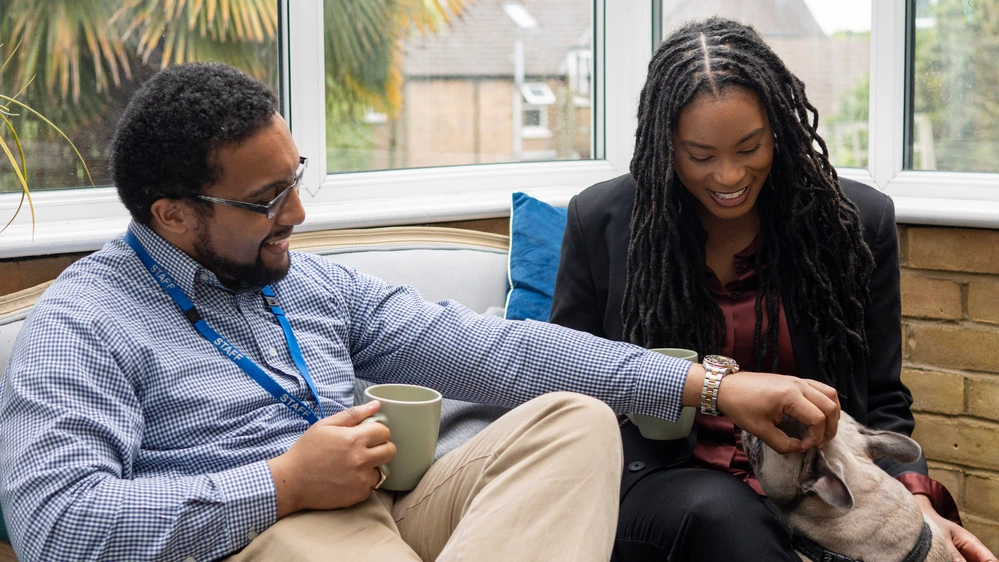
Acquired Brain Injuries
Who is this service for?
We support adults with a wide range of acquired brain injuries, including traumatic brain injury, hypoxic brain injury, stroke and neurological conditions. Many of the people who come to us have one or more co-occurring conditions alongside their brain injury: mental health diagnoses, personality disorders, substance misuse histories, or significant cognitive, emotional and social difficulties.
The clients who come to High View Care Services have often not been able to make progress in standard settings. They may have been told that their needs are too complex. Some have spent extended periods in hospital or psychiatric units. Some have been through placements that have broken down. Some have histories that have led other providers to say no.
None of that changes how we approach them. We see the person beyond the diagnosis. We believe in their potential. And we have the structure, the expertise and the genuine commitment to help them move forward.
OUR HOMES
Find the right home for your loved one.
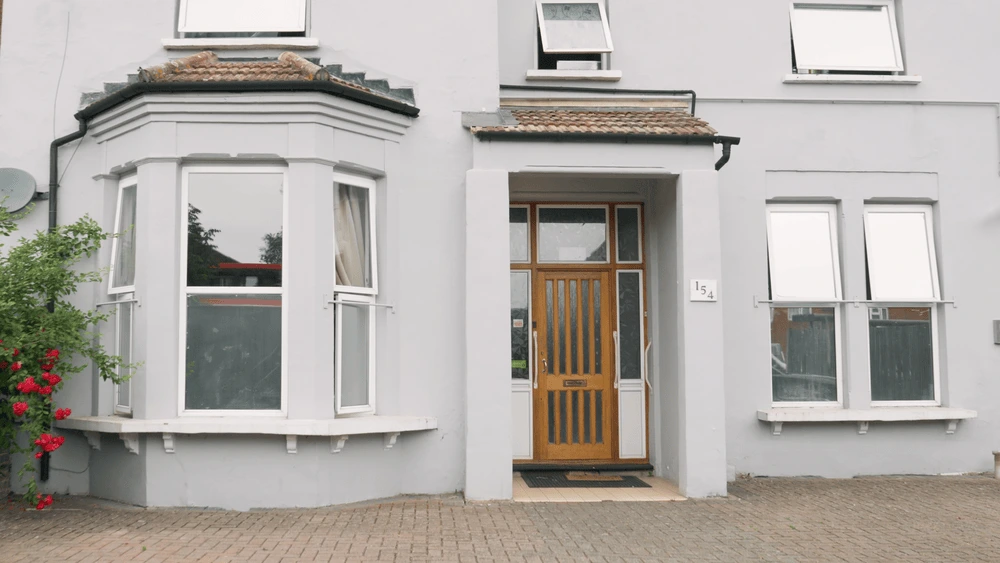
Our four specialist homes across South East London offer structured, therapeutic environments for adults with acquired brain injury, mental health, comorbidities and complex needs. Each one is calm, purposeful and focused on real progress and stability.
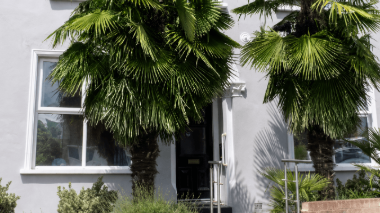


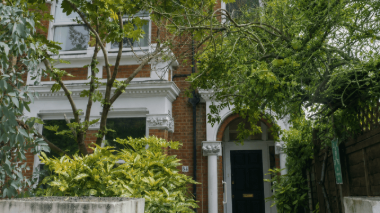
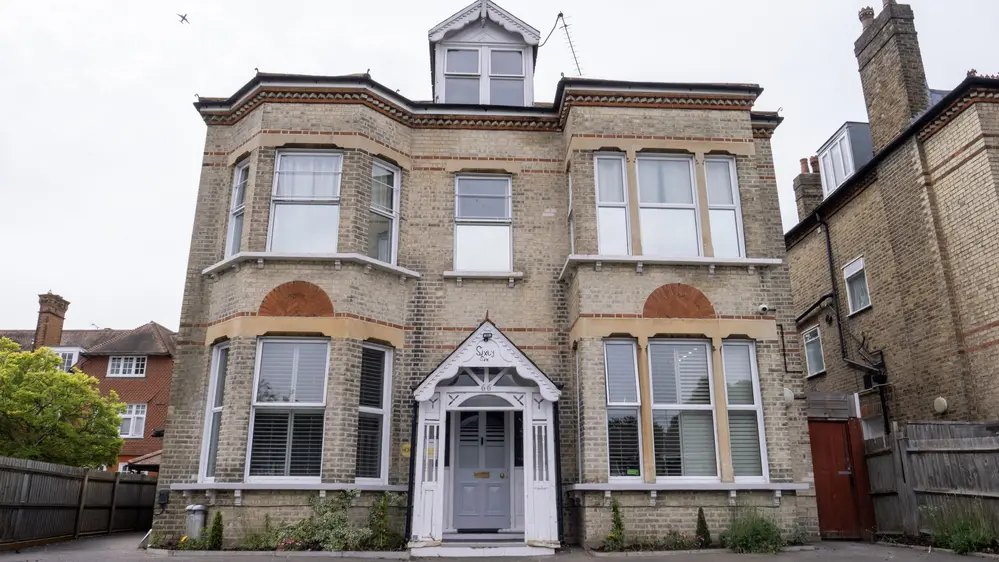
Acquired Brain Injuries
A genuinely specialist approach to brain injury rehabilitation
At High View Care Services, we take a biopsychosocial approach to acquired brain injury rehabilitation. This means addressing not only the physical and cognitive effects of brain injury, but also the psychological, emotional and social impact. Everything is coordinated through one team working from a shared plan.
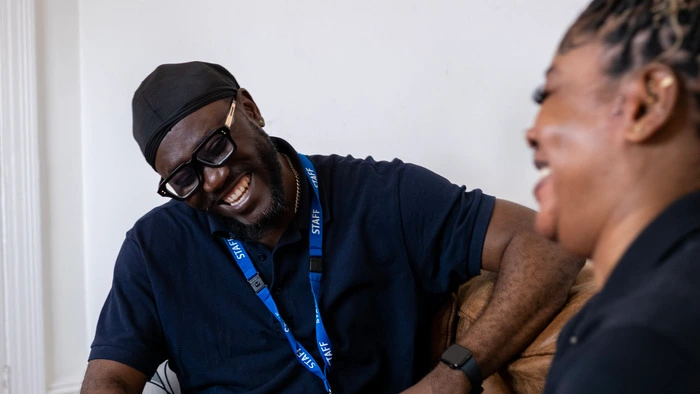
Our Transdisciplinary Team (TDT) includes Clinical Psychologists, Neuropsychologists, Occupational Therapists, Physiotherapists, Social Workers and specialist Neurorehabilitation Coaches. Together, they provide a continuous system of support, with Neurorehabilitation Coaches embedding therapeutic strategies into clients’ everyday lives, 24 hours a day.
Neuropsychology supports cognitive assessment and provides individual strategies for memory, attention, emotional regulation and behavioural difficulties. Occupational Therapy focuses on everyday living skills, including personal care, budgeting, domestic tasks, meaningful activities and preparation for greater independence. Physiotherapy supports mobility and physical rehabilitation, while our wider psychosocial approach helps clients rebuild their identity, relationships and self-awareness, manage relapse risks and prepare for life beyond rehabilitation.

4
CQC-regulated specialist homes

Acquired Brain Injuries
The right pathway for every client
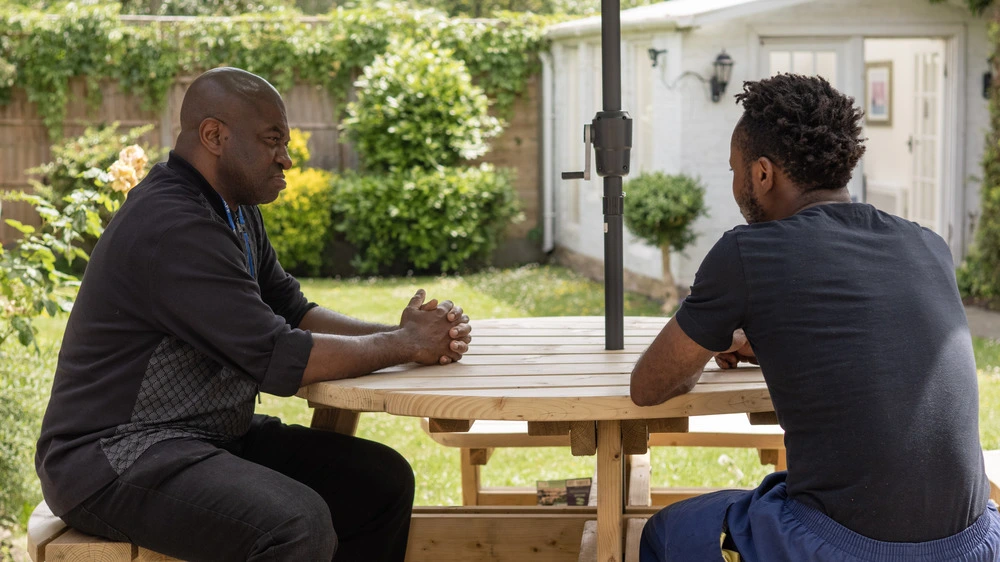
We recognise that not every client is working towards the same outcome. Our services therefore offer two distinct but flexible pathways:
- Rehabilitation Pathway: For clients working towards greater independence, community participation and, where appropriate, progression into transitional living, outreach support or their own home.
- Wellbeing Pathway: For clients who need ongoing specialist support to consolidate the progress they have made, maintain stability and reduce the risk of deterioration or placement breakdown.
Whether someone is progressing towards independent living or requires a stable, supportive environment to maintain their wellbeing, we provide the right pathway around their individual needs, abilities and goals.
Each plan is reviewed fortnightly, adapted as the person’s needs change and communicated openly with clients, families, commissioners and referrers.
TESTIMONIALS
What people say about us...
The important questions
What types of acquired brain injury do you support?

What areas of the brain can be affected, and what does that mean practically?
How do you support clients with both a brain injury and a mental health condition?